Design And Audio Craft
Player Journey And Flow
Payments And Trust Signals
Bonuses, Slots And Reward Loops
Practical UX Tips
I started thinking about casinos the way a designer thinks about rooms, light, and sound. The same principles apply to online platforms, the way a site greets you, nudges you through registration, or celebrates a win. Even the smallest detail can change how long someone stays, or whether they trust a brand. For some players, casinos with no account are an instant relief — quick entry, no fuss — and that choice alone tells designers where friction hurts most.
Design And Audio Craft
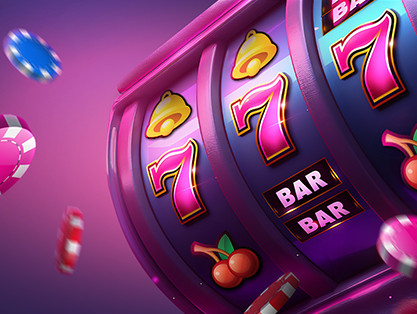
Visual hierarchy is obvious, but audio is often underestimated. A slot’s spin has to sound right, not just loud. Subtle layering, a touch of reverb on big wins, keeps things immersive without tiring the player. I find that well-designed sound can make a simple bonus feel meaningful, whereas poor audio makes even big jackpots forgettable.

Player Journey And Flow
Registration is where many casinos lose people. Long forms, repeated KYC, confusing verbiage, you know the drill. Trim it, test it, and watch conversion climb. The flow from landing page to first bet should feel like stepping into a friendly bar, not climbing bureaucracy. Little things matter: clear CTAs, instant feedback on errors, and trust cues near payment buttons.
Payments And Trust Signals
Fast withdrawals and visible licensing badges are reassurance. Players will tolerate delays if a clear reason is given, though, so transparency is the currency of trust. I once saw a casino that used an animated progress bar during payouts, and complaints dropped; people prefer being informed over being rushed.

Bonuses, Slots And Reward Loops
Bonuses are a conversation, not just math. Clear wagering terms, visible expiry dates, and examples of how a bonus converts to withdrawable cash make players feel respected. Slot pacing is similar, odd as that sounds; reward frequency, RTP presentation, and progressive jackpots need clarity. Over-gamification can backfire, and yet, subtle reward cues are remarkably effective.
Practical UX Tips
Test with real players, often. A designer’s intuition helps, but nothing beats watching someone navigate your platform for the first time. Keep onboarding incremental, avoid jargon, and treat audio like a secondary UI element — controllable, subtle, and skippable.
I could go on, honestly. There is a lot of nuance. But if you focus on clear flows, honest messaging, and a measured audio layer, you’ll see engagement and trust improve. Sometimes small things compound into big wins.
Final Highlight: Test changes A/B, listen to player feedback, and keep iterating. The best casino UX feels inevitable, until you try to copy it, then you realize how much thought was behind every click.
Conclusion: This is a craft as much as it is a science. Design and audio together shape a player’s emotional state, and that determines retention, deposits, and, ultimately, how a casino is perceived. Keep the user in mind, but also trust your instincts, test the edge cases, and remember that sometimes a tiny tweak in sound or copy will do more than a full redesign.