Being effective as an anthropologist means using your powers of observation. Without disrupting or interrupting the phenomena that you’re studying, you need to elicit information about these thoughts, emotions, memories, and sensations. Relational Frame Therapy (RFT) premises that our uniquely human ability to evaluate, mentally connect, and verbally communicate phenomena can be as damaging as it is useful. Closely related to RFT, ACT is based on the idea that over-identifying with language contributes to psychological inflexibility (Hayes et al., 1999; Stoddard & Afari, 2014). Both ACT and CBT focus on cognitive distortions—the latter is geared predominantly toward restructuring them, however, while ACT is about creating space for these through acceptance. Without an awareness of cognitive distortions in the first instance, we’re hard-pressed to do either.
Want to learn more?
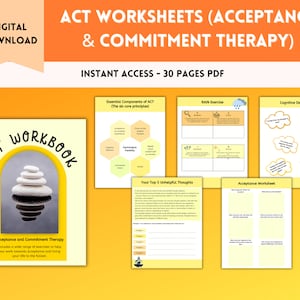
It’s the process of taking what truly matters to you and translating it into concrete, tangible actions. This exercise moves you from passive awareness to active engagement with your life. Yes, each tool is grounded in extensive research from the fields of psychology and behavioral science. Acceptance and Commitment Therapy (ACT) goes beyond symptom reduction. It helps individuals build a rich, meaningful life by embracing thoughts and emotions rather than avoiding them. Research shows that psychological flexibility, the core outcome of ACT, is a key predictor of well-being, resilience, and lasting change.

The Six Months Left Activity
Rooted in ACT principles and supported by psychological research, the exercises offer structured guidance, clear instructions, and clinical relevance. Whether addressing avoidance, navigating difficult thoughts, or fostering committed action, these tools provide a flexible framework for lasting change. This exercise helps your client track their experiential avoidance strategies that undermine goal achievement and behavioral change (Hayes et al., 1999). It enhances self-awareness and mindfulness of the self-defeating consequences of avoidance. This therapy intervention activates four core processes – mindful connection, cognitive defusion, acceptance, and self-as-context – in one intervention.
Best for Human Accountability (No Robots)
This is a particularly good activity for a goal-setting workshop, as it allows participants time to focus on their own goals and come together to discuss group goals. It can help teams reflect on where there are overlaps in the goals they want to achieve, and how to work collaboratively on them. This is a fun game to use for goal setting with students, or if you want to get more active within your goal setting workshop.
How to Create a Personalized Workout Plan
- By creating a timeframe, the group should put in the required effort to achieve this, and use the resources (each other) to do this successfully.
- When such feedback is delayed, we cannot evaluate the effectiveness of our strategies promptly, leading to a potential reduction in the rate of progress (Zimmerman, 2008).
- As you continue to practice ACT, you’ll likely find a greater sense of life satisfaction and resilience.
- It has proven highly successful in its use for both individual and group goal-setting.
- Drawing on goal-setting theory, therefore, it helps to have clear, concrete objectives for positive ‘approach’ goals (Locke, 1968; Locke & Latham, 2002).
- For a full update of the state of the evidence (Hayes, 2021), visit the Association of Contextual and Behavioral Science, the professional association for ACT practitioners.
Completing this activity can help children build the foundations of an authentic and healthy self-esteem that they can carry with them for the rest of their lives. This is an activity that both children and adults can get engaged with, although this worksheet is geared toward children. ❌ Subscription cost may feel high for users who only want basic workout tracking. ❌ Lacks social features, live classes, and interactive coaching, so you won’t get accountability partner support directly in the app.
– Time-specific
It provides a gentle yet effective method to step back and observe the mind’s activity without getting caught in its current. For anyone struggling with the belief that their anxious thoughts control them, this exercise offers a tangible path toward freedom and proves that peace is possible, even when the mind is busy. You’re free to online fitness platform download these tools in PDF format and print them for your personal or professional use, such as in a coaching or therapy setting.
How Can ACT Help Someone with Anxiety?
They have many practical benefits, particularly because they give you a breakdown of practical aspects of acceptance and commitment therapy that you can apply in daily life. If you are looking for a way to improve your mental health, there are several ACT tools that you can use. In many cases, using several tools in conjunction with therapy or after therapy can improve your results and their longevity. You can choose from acceptance and commitment therapy exercises, podcasts, training, and even worksheets, but each comes with different advantages and disadvantages.
The Bull’s-Eye Values Survey
These ACT tools and exercises offer practical ways to develop psychological flexibility, enhance mindfulness, and live a values-driven life. They can be particularly powerful if you are looking to manage your stress, anxiety, or other psychological challenges effectively. Allow users to easily adjust or cancel their commitment devices as needed.
Group Values Exercise
Created by Mindtools it’s a comprehensive write up of what makes successful goal setting, and a great resource of different tools you can try. Way of Life is a daily habit tracker app that allows you to create multiple daily goals you’re hoping to achieve and check them off as you achieve them. It’s got a very user-friendly interface and the ability to set yourself reminders. Even ten minutes a day to review and write about your goals will help to keep you focused, motivated, and feeling more positive about the journey you’re on (Robinson, 2017). Which tool is right for you will depend on what you’re specific goals are, how long you want to take to achieve them, and whether it is an individual or group goal.
Key Acceptance and Commitment Therapy Exercises Comparison
This activity aims to synchronize individual ambitions with the team’s overarching objectives, fostering mutual dedication and a sense of purpose. It is one of the amazing commitment team building exercises for the workplace. A small editable template and a printable starter pack of ACT therapy worksheets to use in your own practice. For substance-use and recovery work, values clarification and committed action overlap helpfully with relapse-prevention planning.
Explain to your client that this location can be used in future guided imagery and visualization practices. Acceptance and Commitment Therapy is commonly tied to the professional work of Stephen Hayes. Commonly known as ACT, this treatment modality resembles Dialectical Behavioral Therapy (Seligman, L. & Reighenberg, L.W., 2010).